
What impact could advocacy and storytelling have on AMR?
Advocacy has always been a powerful tool for creating change. One important facet of advocacy used to memorably illustrate complex challenges or improvements in healthcare is storytelling.
Before we could read and write, we told stories. Storytelling is as ancient as humankind and, from its earliest origins, involved our cave-dwelling ancestors painting their narratives on surrounding rock formations and hieroglyphics in pyramids, which historians are still studying today.
Stories help to improve other people’s understanding of our experiences and, when used in areas such as healthcare, they can contribute to developing more meaningful solutions that address issues such as access to care, improved health outcomes, innovation, and patient safety.
Considering the complexity of antimicrobial resistance (AMR), advocacy and storytelling should extend across human health, animal health, food safety, and the environment, as it impacts them all. This is known as the One Health approach. In other words, stories should be shared by patients, consumers, and members of the public who are equally affected if these precious medicines no longer work.
Whilst common forms of storytelling can be seen as writing a novel or public speaking, the truth is that it can take on multiple other shapes, including:
- Art
- Poetry
- Music (e.g., singing and instrumentals)
- Dancing
- Chanting
- Drama (e.g., including puppet shows, stage productions, documentaries, or film)
- Exhibitions
- Online advocacy (e.g., on social media and the web)
- Photography
- Sharing an experience through a research article or study such as with a scientific co-author
- Media interviews (e.g., magazines or radio)
- Design thinking workshops (e.g., problem-solving for health systems or digital innovation hackathons)
The way we choose to tell our stories can also rely on multiple factors and barriers, including:
- Culture
- Language barriers
- Social norms, beliefs, or religion
- Disabilities including our physical or mental capabilities
- Individual talents and skills
- Health literacy
- Digital literacy and access
- Stigma as well as comfort levels when it comes to others reading and sharing a personal experience widely. In this case, often the storyteller remains anonymous or uses a pseudonym (i.e., fictitious name)
- Privacy concerns
- Cyberbullying concerns
Although many forms of advocacy, such as storytelling, are voluntary and shared with the intent to help others in similar situations, financial considerations can also influence how patients and carers share their stories. Access to financial resources affects an advocate’s ability to travel, take time off work, arrange childcare, or cover the costs of a carer who needs to accompany them.
Reaching the right audience can be equally challenging for those sharing their stories, which is why participatory health events, such as the #PatientsIncluded movement established by Lucien Engelen at the REshape Center, Radboud University, are so important. These initiatives invite patients and carers to take part in events, including medical conferences that are often attended by key opinion leaders in the field. Such opportunities allow advocates to amplify their voices. However, preferences and barriers to storytelling should always be considered on an individual and ethical basis.
Storytelling can also be a powerful tool for self-healing. It can empower others in similar situations by offering hope and a deeper understanding of their own experiences. No matter how you look at it, our narratives reshape the science surrounding an intricate topic like AMR, which can often feel dense and complex.
Our stories make science accessible. Our stories make us human.

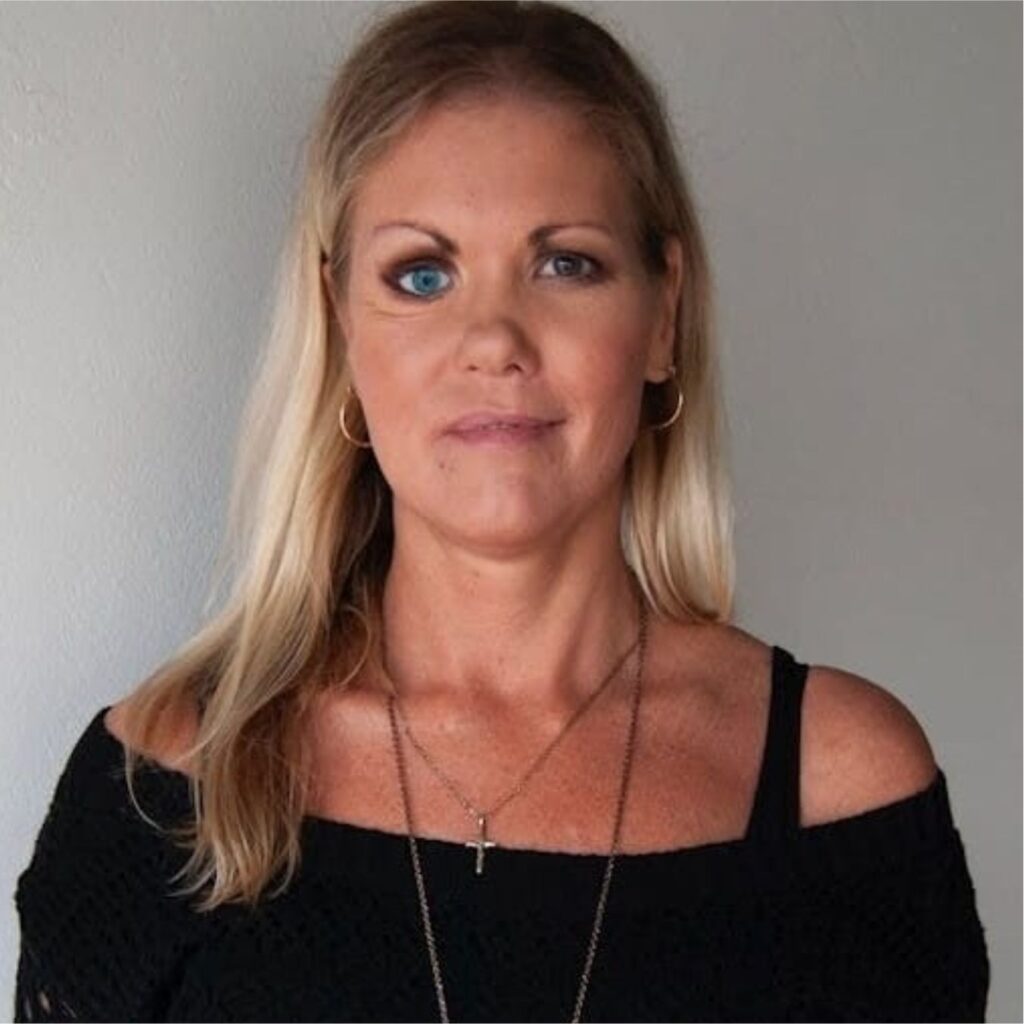
Vanessa Carter
Vanessa became an AMR patient advocate in 2013 after surviving a serious car accident and 10-year facial reconstruction that caused a highly-resistant MRSA infection.
She has won awards for her advocacy and further completed an e-Patient Scholarship at Stanford University Medicine X in the USA. With a professional background in marketing, Vanessa has also lectured on various topics including effective communication and infodemic management in relation to AMR after completing training by the WHO in 2020. She has also advocated the importance of patient and public involvement and engagement. Originally from South Africa, she now resides in the UK and is also the founder of The AMR Narrative.